5 Great Changes AI is Bringing to the Healthcare Industry
Artificial Intelligence (AI) is no longer a futuristic concept—it is actively reshaping healthcare today. From automating routine tasks to delivering personalized treatment, AI is enabling doctors, hospitals, and patients to experience a smarter, faster, and more efficient healthcare system. In this article, we explore five great changes AI is bringing to the healthcare industry and why hospitals that adopt these innovations are setting themselves apart.
1. Faster and Smarter Diagnoses
One of the most impactful uses of AI is in medical diagnostics.:
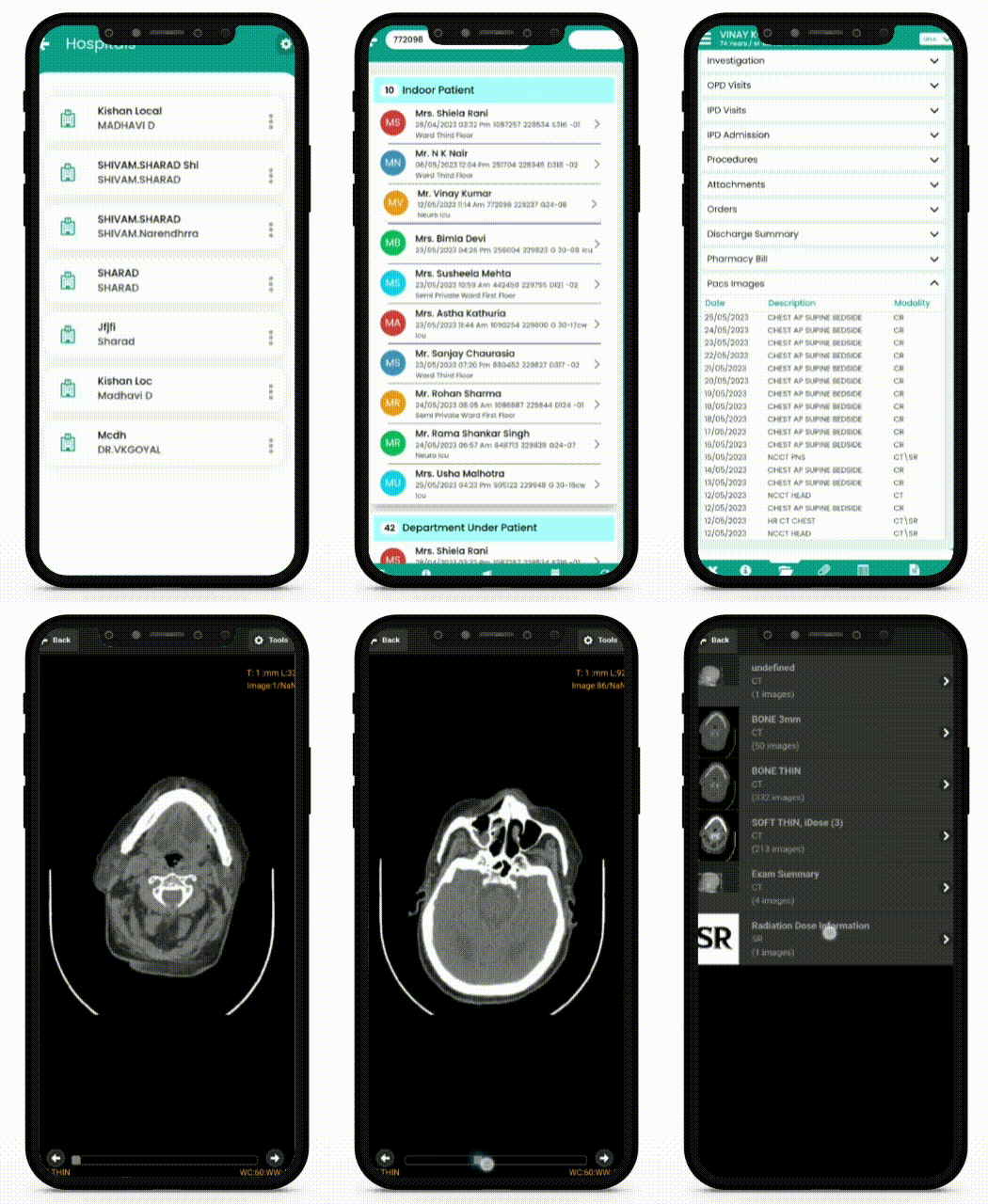
AI-powered tools can analyze X-rays, CT scans, and MRI images with high accuracy.
Algorithms are trained to detect diseases like cancer, heart disease, or pneumonia earlier than traditional methods.
Impact:
- Early diagnosis means early treatment—and better patient outcomes. Doctors can spend less time analyzing reports and more time caring for patients.
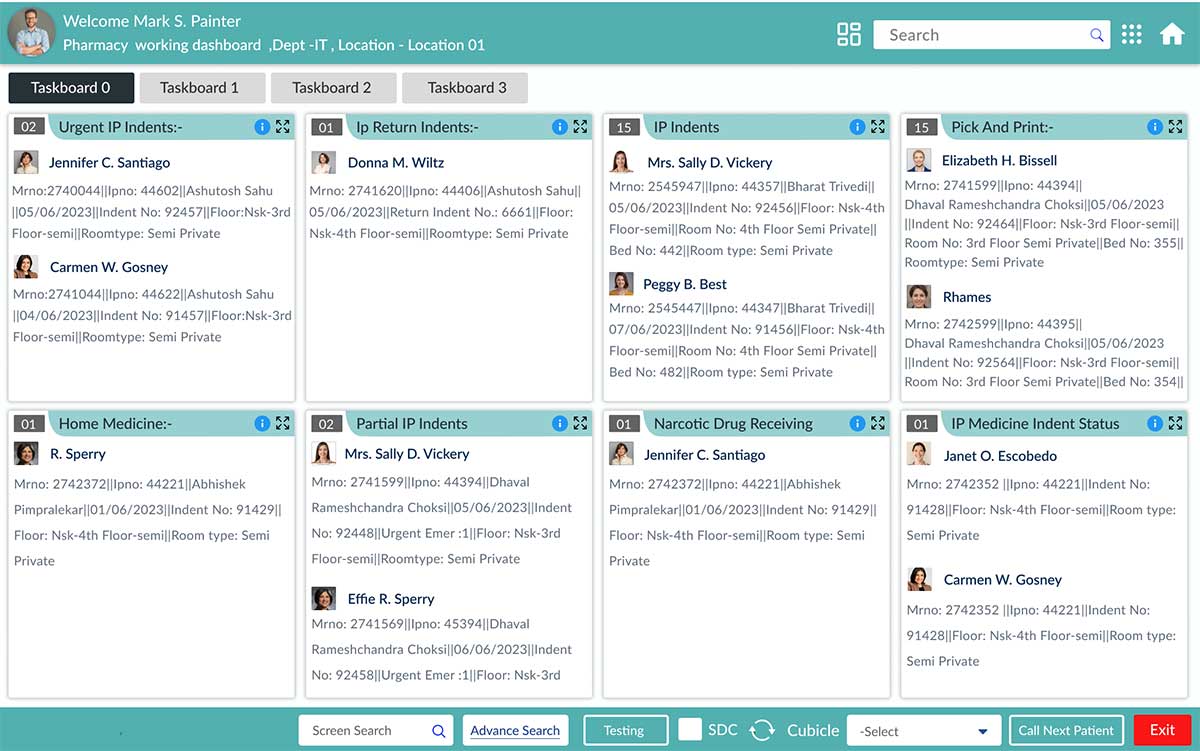
- Set alerts for near-expiry medicines, so they can be used or returned in time.
- Monitor purchases vs. consumption to prevent overstocking.
2. Automated Clinical Documentation
Doctors and hospital staff often spend hours writing notes, filling forms, and preparing discharge summaries. AI changes this completely:
With voice-to-prescription technology, a doctor’s spoken notes can instantly be converted into structured medical prescriptions.
AI can generate one-click patient summaries, saving time and reducing errors.
Impact:
- Hospitals run smoother, and doctors reclaim valuable time to focus on patients instead of paperwork.
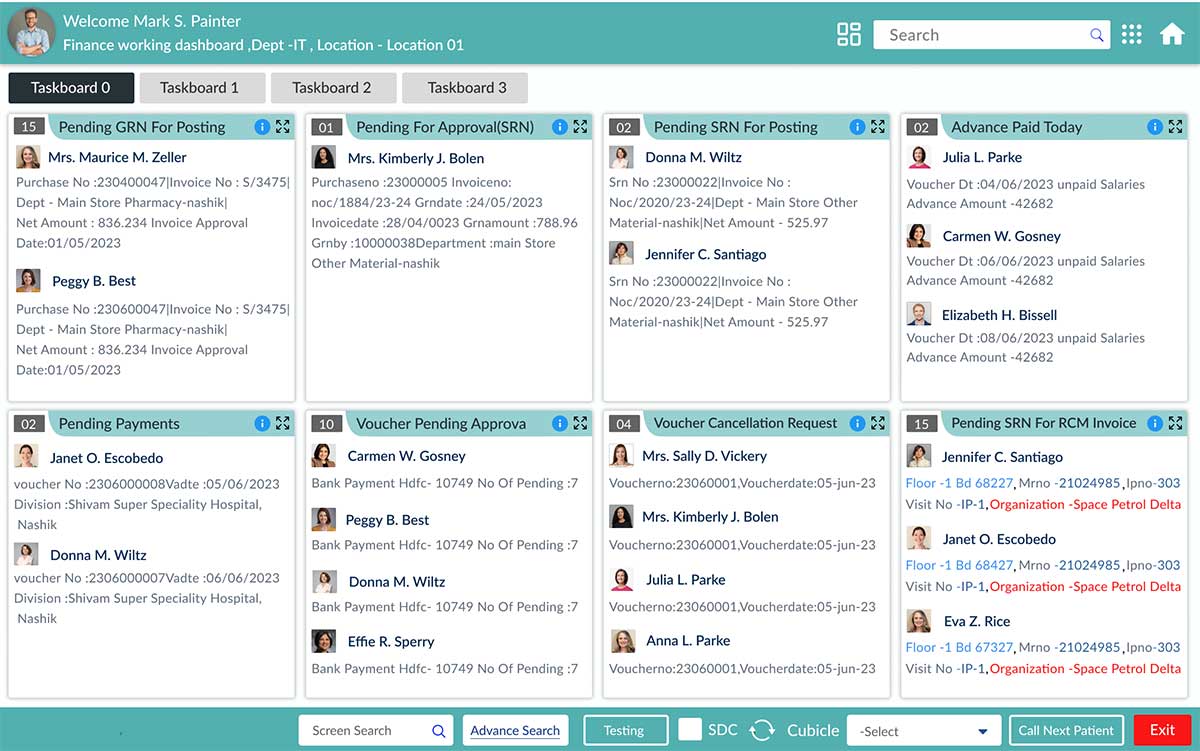
A hospital management software with a strong finance and billing module
can make this process smoother and more accurate.
3. Personalized Treatment Plans
No two patients are exactly alike. AI enables truly personalized medicine by analyzing:
- Patient medical history
- Lab results
- Genetic information
- Lifestyle factors
- This allows AI systems to recommend tailored treatment plans instead of a “one-size-fits-all” approach.
- Impact: Patients receive care that is more precise, effective, and aligned with their unique health profile.
4. Streamlined Hospital Operations
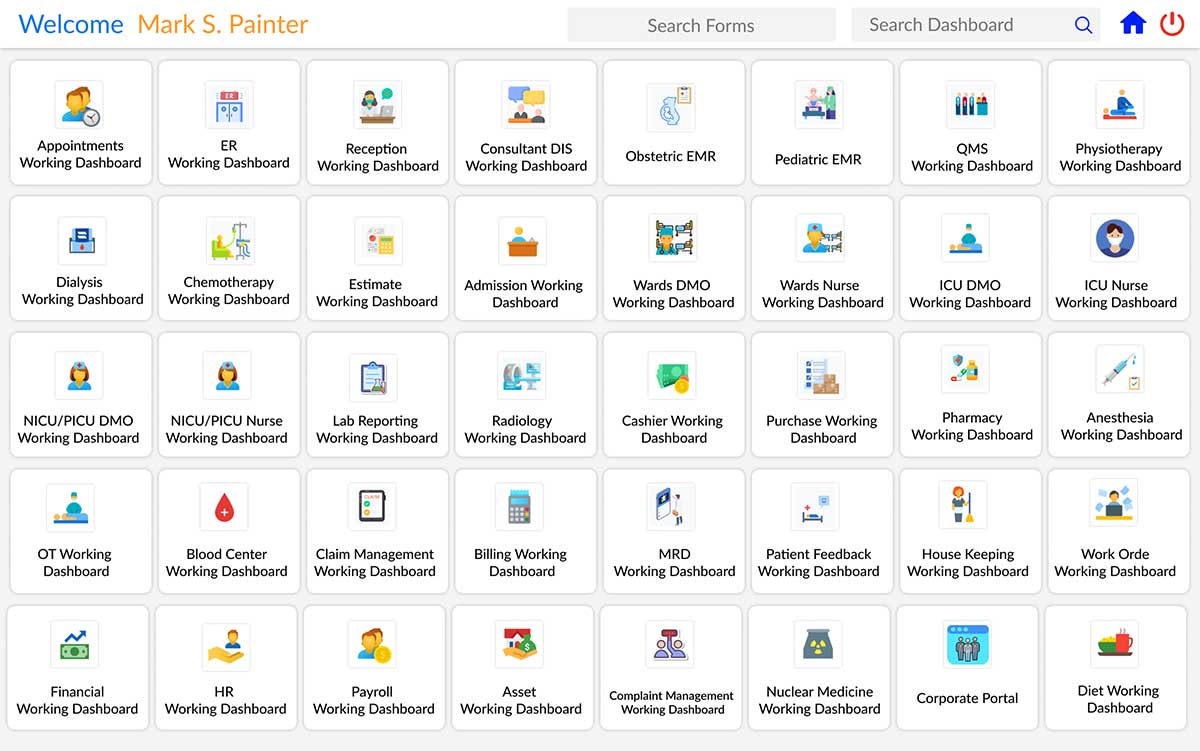
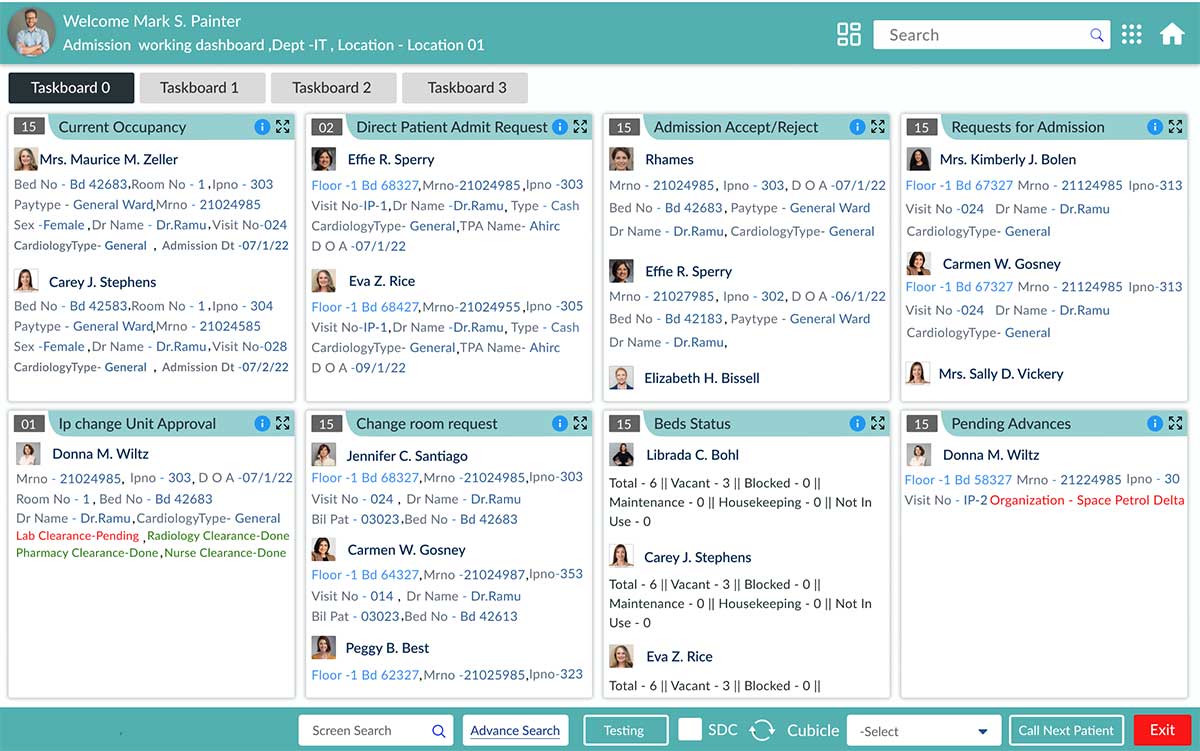
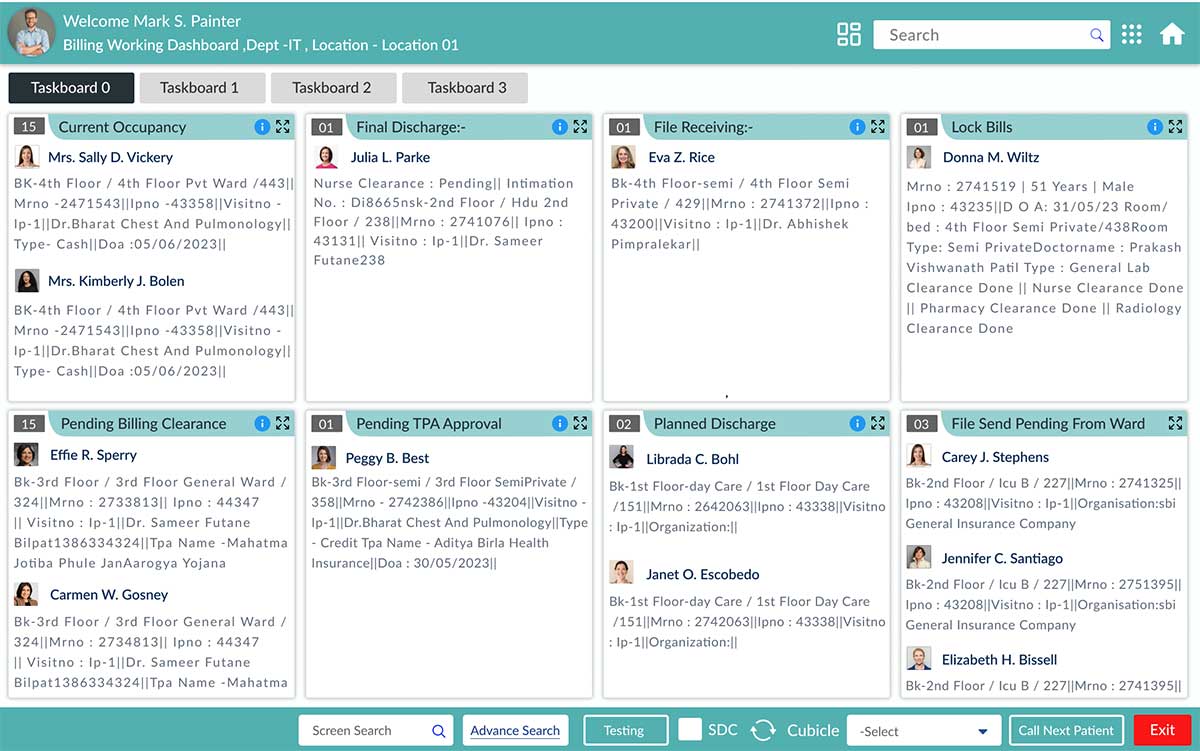
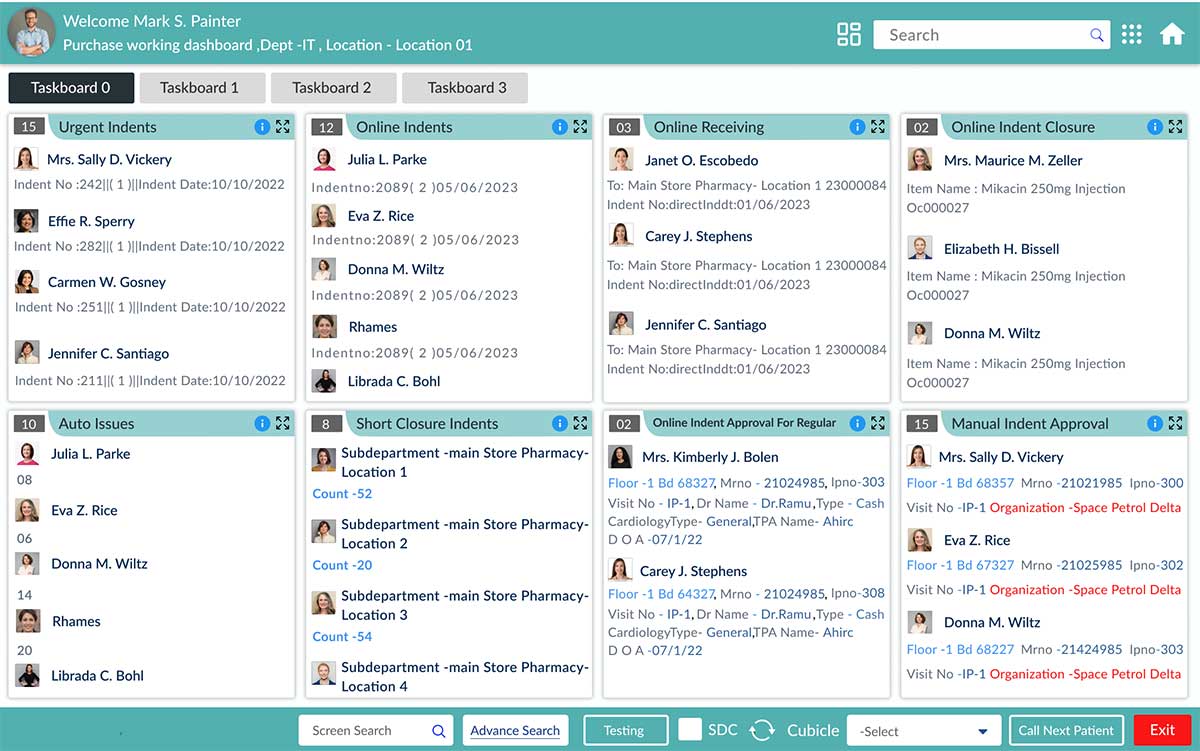
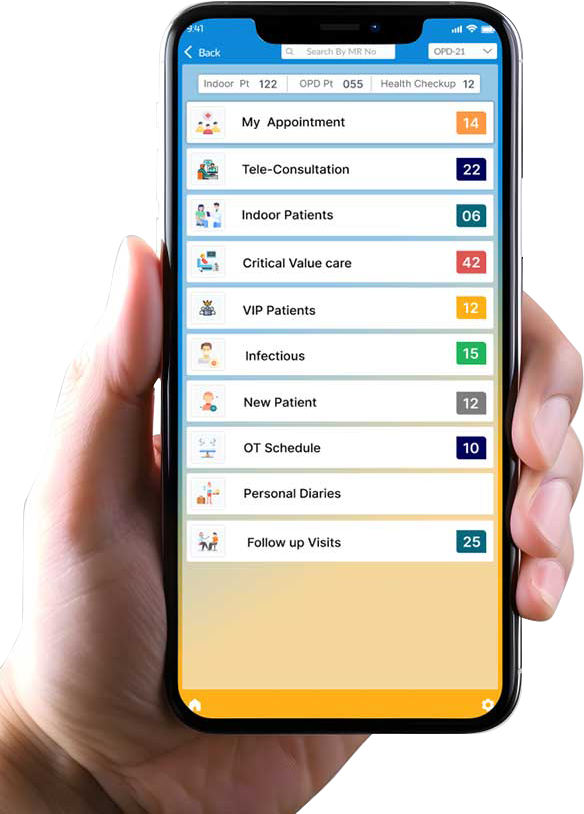
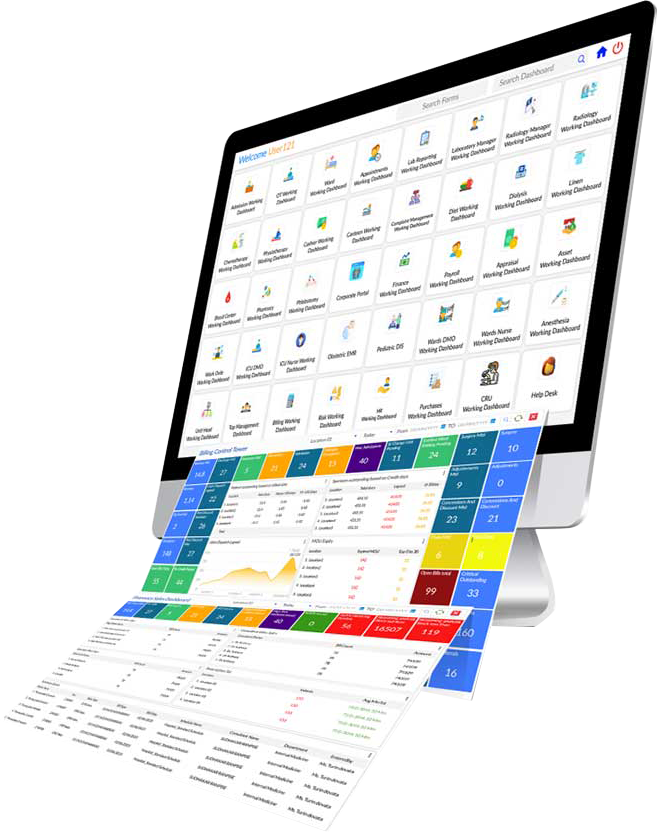
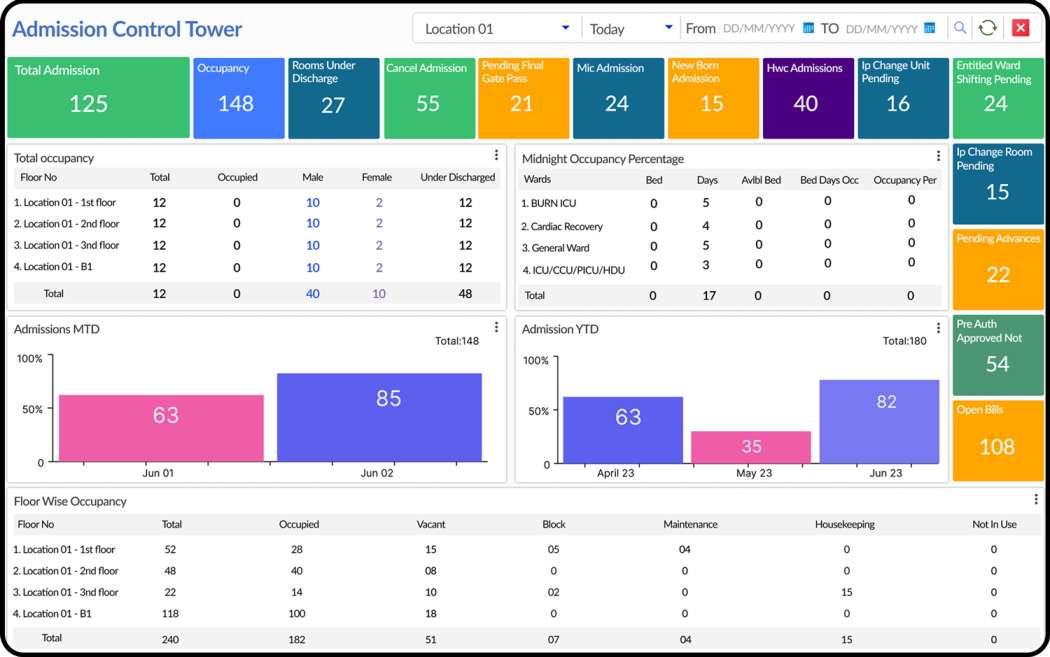
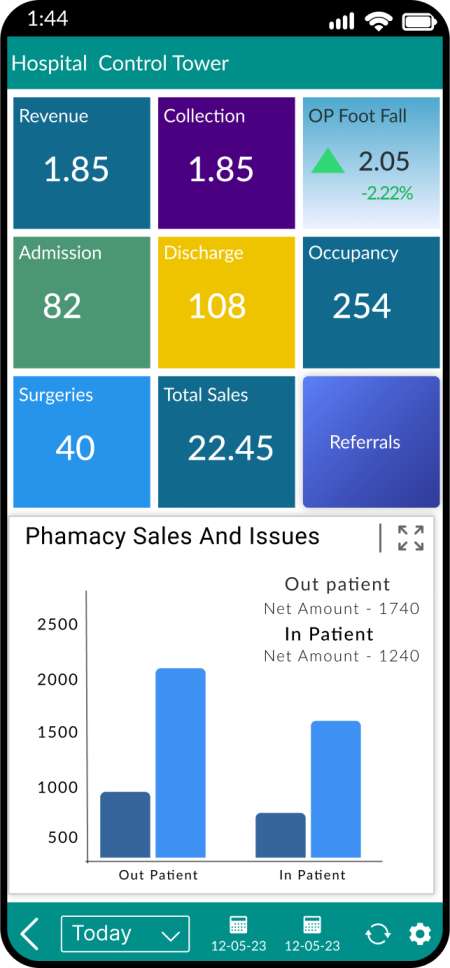
Hospital management is complex, with multiple departments, billing systems, and patient flows. AI-driven Hospital Management Software (HMS) makes this easier by:
- Automating billing and discharge processes
- Coordinating across departments
- Reducing patient waiting times
- Predicting resource needs (like staff allocation or bed availability)
Impact:Administrators save costs, operations become more efficient, and patients enjoy a smoother hospital experience.
5. Breaking Language Barriers in Healthcare
In multilingual countries like India, doctor–patient communication can sometimes be a challenge. AI bridges this gap.
- Real-time language translation allows doctors and patients to speak in their preferred language.
- The system instantly converts the conversation into medical records or prescriptions.
Impact:Clearer communication improves trust, ensures patients understand their treatment, and eliminates language as a barrier to quality care.